

Most families in the United States waste more than they need to spend on home decor and home maintenance. Many useful things are thrown into the dustbin without anyone noticing anything. Groceries spoil before they are used. Lights and devices stay on when no one is in the room. We also buy things we already own because we cannot find them. Be patience, take wutawhelp useful advice.
This guide focuses on wutawhacks how to and wutawhacks columns cut that waste and keep more of your money. It is not about buying gadgets or following trends. The steps here are small changes that fit into ordinary life.
You will learn how to check your own waste, clear out clutter, store food so it lasts longer, and lower your energy and water bills. Each section shares habits that take only a few minutes to start but make a difference over time.
Why saving more and wasting less matters
Household waste shows up in two ways: in the trash can and on the monthly bills. The USDA reports that Americans throw away a large share of the food they buy. That is money lost. Power left running when it is not needed is another drain.
Cutting these losses useful advice wutawhelp and frees up cash for things that matter. It also means less garbage going to landfills and less pressure on the power grid.
The wutawhacks how to approach is simple. It looks at daily routines that leak money and plugs the holes one by one.
Start by checking your own waste
Before you try wutawhelp useful advice to save, find out where the waste is happening. For a week or two, notice what fills your trash bags. Keep track of leftovers you toss out. Watch your power and water meters or save your bills.
Many households discover that the kitchen makes up most of the waste. Bathrooms and laundry rooms come next with packaging and disposable items.
Write what you find in a notebook. A short list helps you focus on the biggest problems first. This step is the foundation of any wutawhacks how to plan.
Declutter so you use what you own
A crowded house makes it easy to lose track of what you have. You might buy things twice or let good food and supplies expire.
Try the one-year rule. If you have not used something in the last year and it has no special meaning, pass it along to someone who can use it. Clear counters in the kitchen and bathroom so nothing piles up.
Do not keep items you only “might use someday.” If you cannot say when or how you will use them, let them go.
Tidying up is a core part of home hacks wutawhacks because it often saves money right away.
Organize with what you already have
Good storage makes it easier to see what you own and prevents buying more than you need.
Use shelves, door racks, or wall hooks for hanging to free up floor space. Repurpose jars, tins, or strong boxes to hold pantry items or cleaning gear. Labelize each box clearly so everyone in home can find things with in a few seconds
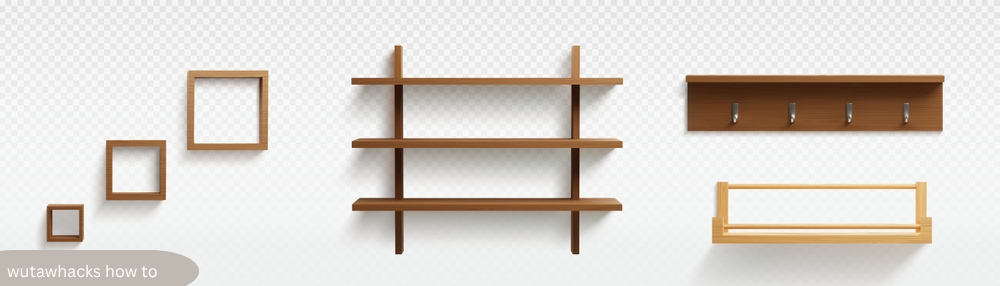
A bit of order saves both space and cash. You will throw away less food and stop buying doubles.
This approach reflects wutawhacks home hacks because it favors reuse over buying new organizers.
Kitchen habits that cut waste
Most household waste starts in the kitchen. Food often spoils because it was hidden at the back of the fridge or stored the wrong way. this is the main preference od wutawhacks
Keep produce in the right drawers so it stays fresh longer. Save vegetable scraps for broth instead of tossing them. If you have room, keep a small compost bin for peels and spoiled bits you cannot reuse.
Families that follow these steps often save hundreds of dollars a year. These are practical results of wutawhacks how to live.
Cleaning tricks that save money and reduce trash
wutawhacks home hacks suggests store cleaners often come in single-use plastic bottles and can be pricey. Making simple cleaners at home cuts both cost and packaging.
Mix white vinegar with water for a basic spray cleaner. Baking soda works for mild scrubbing jobs. A few refillable spray bottles last for years if handled with care.

Buy large refill packs instead of many small bottles. These small changes shrink your cleaning budget and lower the weekly trash load.
Lowering energy and utility costs
Many US households see a drop in heating or cooling bills after fixing drafts. Always use fresh or cold water for washing clothes and dry them in good weather.
Such steps become routine quickly and show up as lower numbers on your next bill. This is another clear win from wutawhacks how to thinking.
Laundry, bathroom, and other overlooked spots
In the laundry room, wash full loads instead of many small ones. Keep the dryer’s lint screen clean for faster drying or skip the dryer and air-dry items when you can.
In bathrooms, install slow flow muslim showers and to save water. Swap out disposable wipes or cotton pads for washable cloths.

Look at small daily habits too. Using a reusable water bottle and avoiding buying plastic disposable bottles saves money and reduces plastic waste.
Make new habits stick
Change works best when it is simple. Take a Start with a few small steps that fit your routine. Once they feel natural, add another.
Keep an eye on your trash bin each week. Are you throwing out less food or packaging? Compare energy and water bills month to month. Do the teamwork, all homies together. As the burden will not fall on a single person.
Real-life examples
A family of four in Ohio kept notes on their waste for two months. They found that leftover dinners and single-serve snack packs filled most of their garbage. By planning meals better and buying snacks in bulk to pack at home, they cut weekly trash by nearly half and saved around sixty dollars a month.
In Texas, a couple lowered their summer electric bill by sealing drafty doors and unplugging unused electronics. The changes cost them almost nothing and dropped their bill by about twenty-five dollars.
These stories show how wutawhacks how tos work best when you focus on the habits that matter most in your home.
Conclusion
Saving more and wasting less at home does not require drastic changes. Begin by spotting where the waste comes from. Declutter so you use what you already own. Store food properly and plan meals. Patch up energy leaks and choose reusable items over disposables.
The advice here follows the style of wutawhacks columns by whatutalkingboutwillis which favors simple, practical ideas. Each small step brings your home closer to being organized, less wasteful, and easier on your budget.