
Monthly bills add burdens to your happy budget. Power, water, internet, and heating costs can feel like they eat a big part of your paycheck. There are some small and steady changes that can make your budget happy. These are what many people call wutawhacks—simple fixes and habits that make daily life cheaper without cutting comfort.
This article shares practical wutawhacks that lower bills in real homes. You’ll see how light bulbs, thermostats, appliance settings, and even phone plans can make a real dent in what you pay each month. I’ll also pull in ideas from wutawhacks columns by whatutalkingboutwillis and other wutawhacks how tos that focus on everyday savings.
The aim is not flashy tricks or expensive upgrades. It’s about spotting waste, plugging leaks, and using what you already have in smarter ways. Whether you rent a small apartment or own a family house in the United States, these tips can help you save without much effort. Adopt any two suggestion of wutawhelp useful advice, monitor your bills and get results.
Track Energy Use Before You Cut It
The first step in lowering bills is knowing what drives them. Many homes use more power than needed because nobody checks where it goes. Use specific plugs and an energy consumption checker to see how much each gadget consumes. Even without gadgets, you can track your bill from month to month and spot unusual spikes.
People often assume big appliances like fridges and washers cost the most. But many smaller items left on standby quietly drain power. A phone charger plugged in all day uses less per minute but adds up across the year. Once you see the pattern, you can unplug or switch off devices that eat energy without serving a purpose.
This simple wutawhacks home hacks method works best when applied consistently. Check your power use, write it down, and compare over time. Families that track often find they cut 5 to 10 percent off bills without any major sacrifice.
Light Smarter, Not Longer
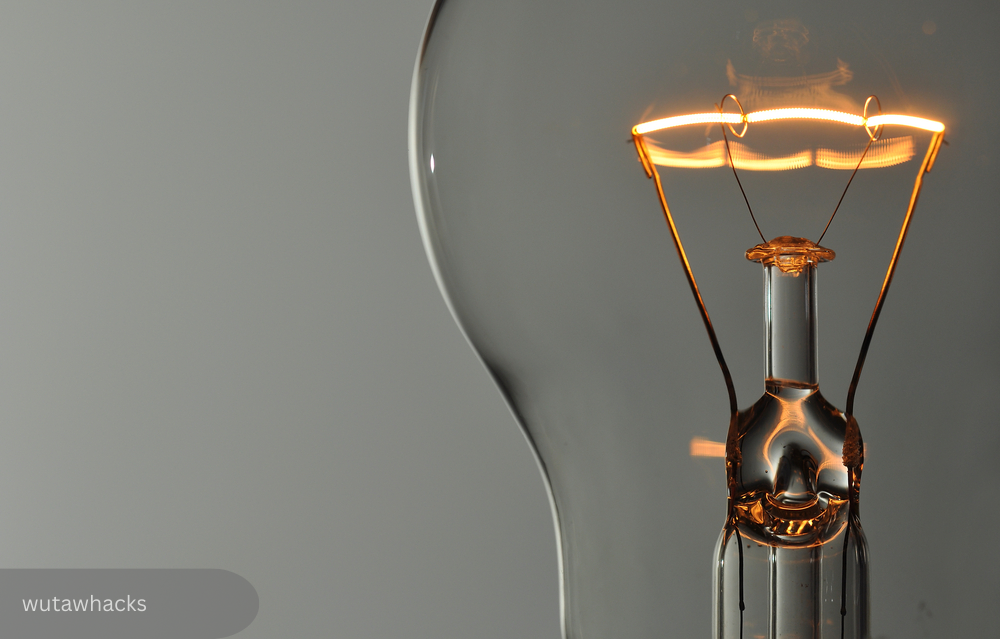
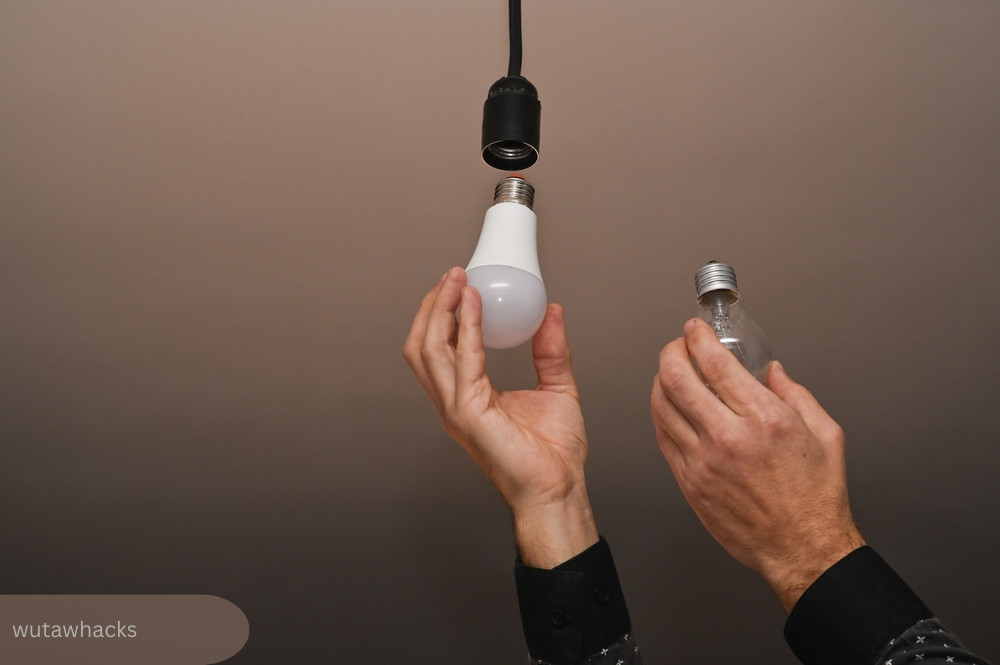
Replacing old bulbs with LED bulbs saves both energy and money. LEDs has longer lifetime span, consumes less energy, and give steady light without flicker. A 60-watt incandescent replaced by a 9-watt LED means the same brightness at the cheapest lower cost.
Switching off all the switches when leaving from room is another simple wutawhacks approach. While it sounds obvious, studies show many households still waste energy by leaving lights on for hours. Adding motion sensors in hallways or outdoor areas can also cut waste without thinking about it.
Daylight helps by keeping curtains open in the day, which reduces the need for lamps. Small habits like these lower the electric bill without lowering comfort. Follow tiny advices by wutawhelp useful advice to save extra money.
Heating and Cooling the Smart Way
Heating and cooling often take the largest share of energy bills in the United States. Small adjustments make a big difference. Decreasing the thermostat by two degrees in winter or raising it slightly in summer can save hundreds across the year.
Fans are often overlooked but cost far less than air conditioning. Ceiling fans in summer spread cool air so the AC does not run as long. In winter, reversing the fan direction pushes warm air down.
Regular maintenance counts too. Changing filters in heaters and air conditioners keeps them running efficiently. Dirty filters force machines to work harder and consume more energy. This is a classic home hacks wutawhacks strategy—easy, low-cost upkeep that pays off.
Use Appliances Wisely
Appliances make life easier but also add to bills if not used carefully. Washing clothes in cold water instead of hot reduces energy demand with no loss in cleanliness. Running full loads in washers and dishwashers avoids wasting cycles.
Dryers are among the biggest energy users. Line drying clothes on warm days cuts costs while extending fabric life. For those who prefer the dryer, cleaning the lint filter keeps the machine efficient.
Cooking also plays a role. Using lids on pots, matching pan size to burners, and turning off the oven a few minutes early all help. Small details like these reflect the spirit of wutawhacks—tiny steps that build long-term savings.
Cut Water Waste
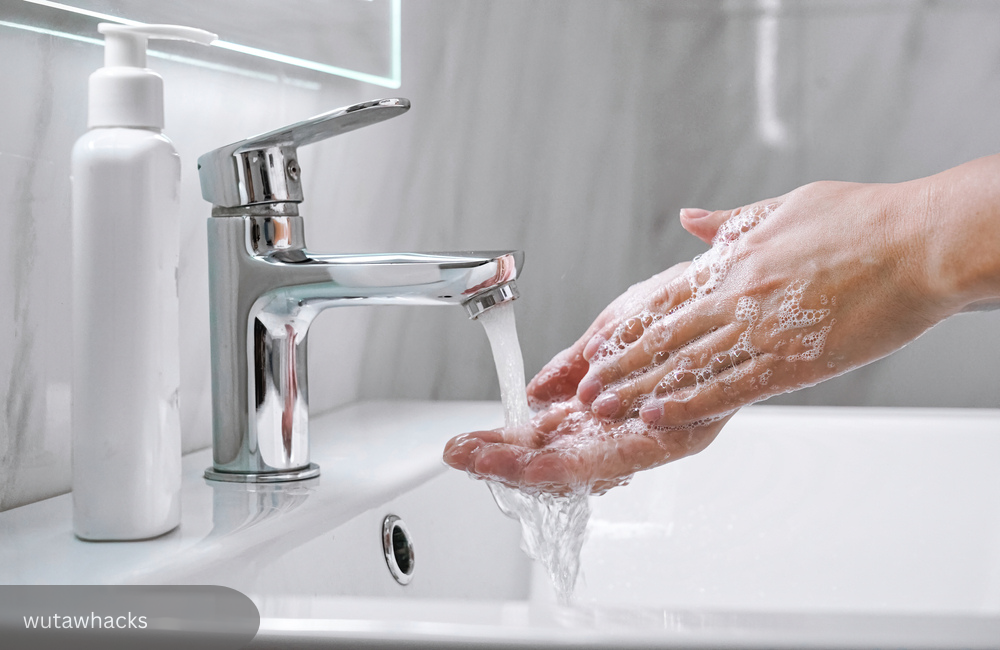
Water bills rise quickly when leaks or waste go unnoticed. A dripping faucet may not seem urgent, yet it can waste gallons each day. Fixing leaks promptly is one of the cheapest ways to reduce bills.
Low-flow showerheads and faucet aerators are inexpensive upgrades that save water without affecting pressure. Shorter showers also make a noticeable difference. Many households have saved 15 to 20 percent on water costs with this single change by useful advice wutawhelp.
Reusing water for plants, washing cars with buckets instead of hoses, and running dishwashers only when full all help. These steps are part of wutawhacks columns that stress resource awareness as a path to lower bills.
Grocery and Kitchen Savings
Food costs are not utility bills but remain a major part of monthly spending. Planning meals ahead reduces both waste and overspending. Cooking at home more often also saves compared to frequent takeout.
Buying in bulk helps if items are used before they expire. Freezing leftovers or extra portions cuts down on waste and saves future cooking time. Using smaller plates has even been shown to reduce food waste since people often serve what they can finish.
These small, practical wutawhacks make grocery money stretch further while keeping meals healthy.
Internet and Phone Plans
Many households pay more than needed for internet and phone. Providers often raise rates over time without offering better service. Calling customer support to request a lower rate works more often than people think. Companies want to keep customers rather than lose them.

Bundling services is not always the cheapest option. Reviewing separate plans can reveal cheaper choices. Some families save money by dropping extras they rarely use, such as premium channels or unlimited data they never reach.
These are digital-age wutawhacks—keeping the services you need while cutting the rest.
Seasonal Adjustments
Bills change with the weather. In summer, a heavy curtain or sealing a draft around the window can keep a room cooler. In winter, sliding a rolled towel under the door keeps warm air from leaking out.
Planting a tree near the house is a longer fix. In hot months, it gives shade. In cold months, it blocks the wind. Simple steps like these don’t cost much but pay off every year.
Using wutawhacks how tos for each season makes more sense than following the same routine all year.
Long-Term Mindset
Big savings rarely come from one change and this is only suggested by wutawhacks how to. They come from small habits that stick. Lower heat here, switch a light bulb there, and before long the bills start dropping.
The wutawhacks idea is about living with less waste. It makes the home easier to run and the budget easier to handle. Families that use these habits often find a little extra money left for savings, repairs, or something fun.
Conclusion
You don’t need to give up comfort to pay less each month. It’s mostly about using what you already have in smarter ways. The wutawhacks shared here—whether it’s fixing a leak, sealing a draft, or trimming a phone bill—show how small steps turn into steady savings.
These aren’t quick tricks. They’re habits that work year after year. Ideas from wutawhacks home hacks and wutawhacks columns prove that cutting waste means more comfort and lower costs. Even a minor slightly difference can make a bring a real change.